
Today’s post is the eleventh post exploring the inspection criteria for fire door assemblies. The eleventh criterion listed in NFPA 80 for the inspection of swinging doors is:
(11)* No field modifications to the door assembly have been performed that void the label.
The asterisk indicates that there is additional information in Annex A of the NFPA 80 standard:
A.5.2.3.6.2(11) Aftermarket devices that are intended to alter the function and operation of door hardware could violate the listing and degrade the fire protection performance of the doorway. For example, magnetic strips that are marketed to apply over strike plates for quick school lockdowns directly defeat the purpose of the latching to hold the door in the closed position. Manufacturers and listing agencies should be consulted prior to making any modifications or adding any devices to fire doors.
In this guest post, Marilyn Latham of Allegion discusses the process for performing a job site preparation or field modification on a fire door assembly.
Click here to read other posts in this series and learn more about fire door inspection.
~~~
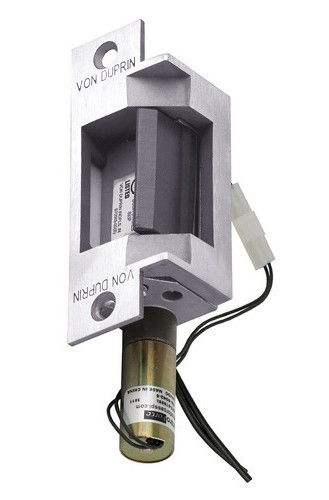
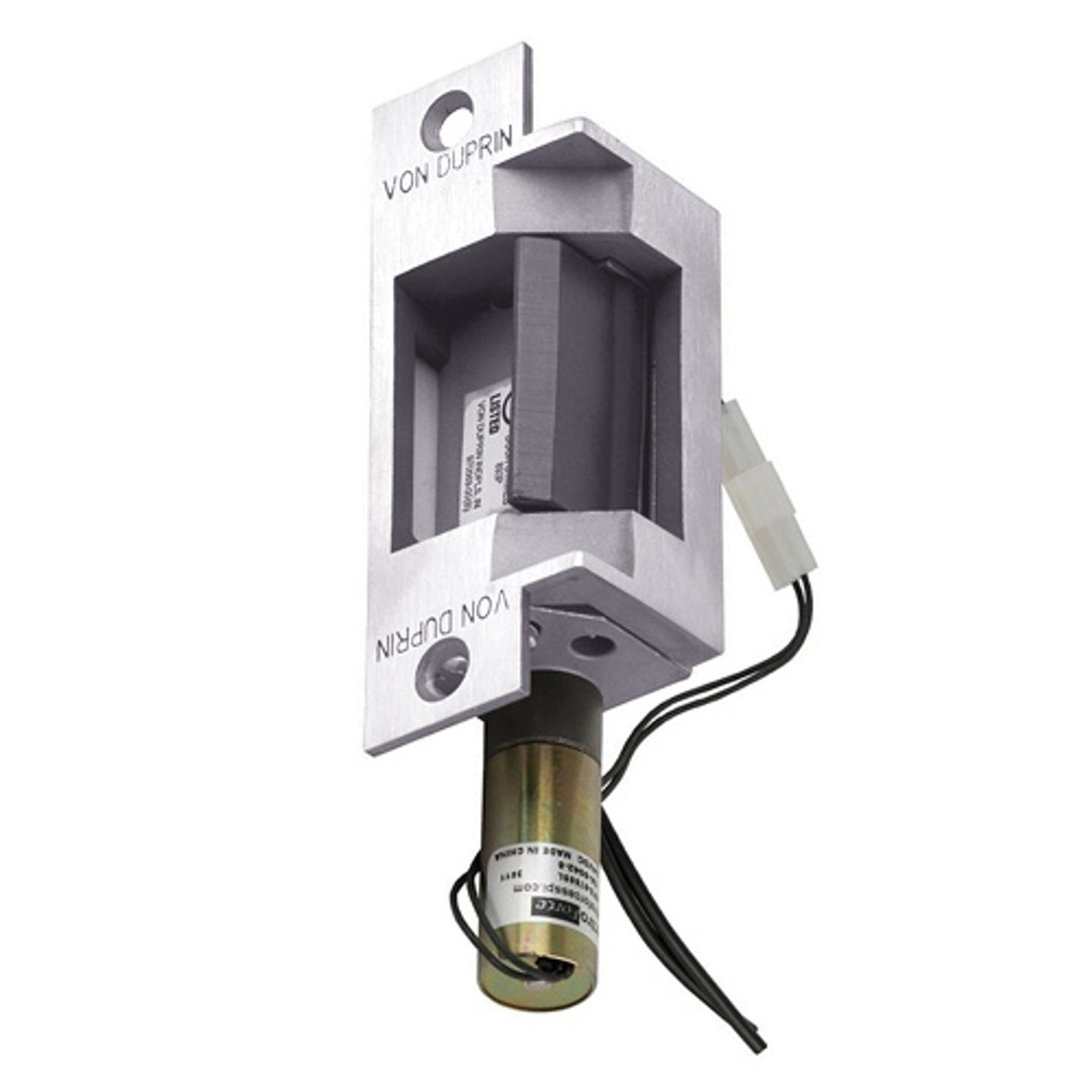
Prepping an existing frame for an electric strike is a common field modification that would require permission in advance.
NFPA 80 – Standard for Fire Doors and Other Opening Protectives defines the minimum criteria for fire door inspections. The 11th criteria instructs the inspector to verify that, “No field modifications to the door assembly have been performed that void the label”. There are two types of modifications described in the NFPA standard: job site preparations and field modifications.
Job site preparations permitted by NFPA 80 2025 – Chapter 5, Section 5.1.4.2.2 are:
- Holes for surface-applied hardware, function holes for mortise locks, and holes for labeled viewers
- A maximum ¾ in. (19mm) wood and composite door undercutting
- Installation of protection plates (see 6.4.5)
Note: NFPA 80 2025, Section 6.4.5 states: Protection plates shall be installed in accordance with the manufacturer’s listing of the door and, where applicable, the listing of the protection plate.
Field modifications refer to any changes beyond these allowable preparations, which are considered more significant alterations to the listed assembly. Field modifications require prior permission because they involve changes that could affect the fire door’s performance and certification.
The NFPA 80 standard also allows certain exceptions, such as drilling larger round holes for surface-mounted hardware and raceways for electrified hardware, provided these actions comply with the door and hardware manufacturers’ listings and the listing laboratory’s approvals.
If a field modification is needed, first contact the door/frame manufacturer if possible. The manufacturer may be able to provide information based upon traceability of the product, if available. If it is not possible to contact the manufacturer, for example, if the company is no longer in business, directly contact the labeling agency.
- UL Solutions / UL: https://www.ul.com/services/fire-door-inspection-service
- Intertek / ITS: https://www.intertek.com/building/fire-door-field-labeling/
The Allegion hollow metal team defers to NFPA 80 for allowable modifications and repairs. All other types of modifications must be reviewed prior to any rework.
- Review begins with the door manufacturer.
- A detailed description of the proposed rework must be submitted. Proposed rework description involves written details, graphics, pictures, templates, etc.
- All information is collected, reviewed and shared with the labeling agency (reference NFPA 80 5.1.4.1.1). The listing / labeling agency upon review, will determine if proposed rework is acceptable. Additional engineering evaluation, testing and / or replacement of product may be required.
- Once approved, modification or rework may proceed. Upon completion, it is at the discretion of the labeling agency if a field evaluation is necessary.
Unauthorized modifications can have serious consequences. Any modification or rework performed on a labeled fire door and / or fire door frame without approval nullifies the certification of the label. Modifications may affect the specified performance of the product.
In conclusion, careful planning and adherence to NFPA 80 requirements are essential when altering fire door assemblies. Starting with the manufacturer and, if necessary, the listing laboratory ensures compliance, maintains safety, and avoids costly penalties. Regular inspections after installation and maintenance further support ongoing fire door integrity.
You need to login or register to bookmark/favorite this content.







[…] For fire-rated or certified door assemblies, buyers should also verify whether field adjustment is a…6 […]
[…] However, the lock must still match the tested fire door system. In manufacturing, I see that even small hardware changes can matter. A different strike plate, different spindle, or non-approved trim may fall outside the certificate s…6 […]