

A door handle might seem like a small detail, but it can make a big difference in whether a space feels welcoming or frustrating. When hardware is designed with real people in mind—like someone with arthritis, limited grip strength, or using a walker or wheelchair—it becomes easier for everyone to move through a building safely and independently. From easy-to-use levers and thumb turns to hands-free pulls and accessible pocket door hardware, thoughtful design transforms everyday access into a more comfortable and inclusive experience. In today’s guest post, Colleen Furlong of Allegion shares more on this topic.
~~~
 Importance of Ergonomics
Door hardware is the physical handshake between a building and its occupants. If that handshake is difficult, painful or impossible, the building has failed its users. Understanding the ergonomics of door hardware through design, code considerations and product solutions is essential for creating truly inclusive environments and a more user-friendly experience.
The Design Perspective: Form Following Human Function
Ergonomics is the science of adapting the environment to the user, rather than forcing the user to adapt to the environment. In door hardware, ergonomic design is not a luxury; it is the foundation of accessibility and inclusivity. It ensures that environments can be navigated independently and safely by everyone, regardless of age, size or physical ability.
Ergonomic design helps users overcome significant mobility and usability challenges. For individuals with conditions like arthritis or diminished grip strength, turning a traditional round knob is a painful, sometimes insurmountable barrier. For those using wheelchairs, walkers or crutches, operating a door requires hardware that responds to a closed fist, an elbow or otherwise minimal physical effort.
From a product design standpoint, the key aspects of ergonomics in this field focus on three primary areas: accommodating various hand sizes without requiring fine motor skills (grip), minimizing the physical exertion needed to unlatch and open the door (operating force), and ensuring the mechanical movement aligns with natural human biomechanics (motion).
Ana Sofia Esquivel, industrial designer at Allegion, shares that the design team’s process begins by establishing best practices that specify ideal measurements for elements like lever to door distance and keypad spacing based on considerations such as typical hand size. Using these guidelines as a starting point for all projects promotes a consistent user experience across product lines, so individuals don’t have to relearn how to interact with different hardware.
“To translate these guides into physical products, design teams rely on 3D printing and qualitative testing to ensure grips are comfortable and properly sized. This process heavily involves the use of design affordances—physical cues that intuitively communicate function. For example, indents on a thumb turn naturally signal it should be grabbed and turned, while domed buttons indicate they should be pushed,” says Esquivel.
It is imperative that these ergonomic considerations are taken into account from the beginning. Trying to address at later phases can lead to a suboptimal design and user experience.
The Code Perspective: The Law of Accessibility
Lori Greene, codes & resources manager at Allegion, shares that these ergonomic principles are not just good practice; they are aligned with law. The primary accessibility standards relating to the ergonomics of door hardware are the Americans with Disabilities Act (ADA) Standards for Accessible Design and the ICC A117.1 Standard for Accessible and Usable Buildings and Facilities. The golden rule for operable parts is that they must be “operable with one hand and shall not require tight grasping, tight pinching or twisting of the wrist.”
“Despite these clear guidelines, elements of the codes and standards related to ergonomics are frequently misunderstood or misapplied in the field. A common misapplication involves thumb turns on deadbolts. Many standard thumb turns require a pinch-and-twist motion, which directly violates the ADA prohibition on tight pinching and twisting. A slightly longer thumb turn that pivots from the end can help to ensure that this hardware is compliant with the accessibility standards,” said Greene.
She notes, that other considerations to help door openings meet the accessibility standards include:
- Mounting height – For most doors, latch-releasing hardware must be mounted between 34 inches and 48 inches above the floor or ground.
- Operable force – The maximum force allowed to operate door hardware varies depending on the accessibility standard. While the ADA standards limit operable force to 5 pounds, ICC A117.1 and the IBC permit a maximum of 28 inch-pounds of rotational force or 15 pounds of force in a pushing or pulling motion.
- Opening force – Interior, non-fire-rated doors must be openable with a maximum of 5 pounds of opening force. Exterior doors and fire doors are subject to the requirements of the adopted code, typically 30 pounds to set the door in motion and 15 pounds to open the door to the fully open position.
- Closing speed – The accessibility standards require doors equipped with door closers to close from a 90-degree-open position to 12 degrees in a minimum of 5 seconds.
- Threshold height – The maximum allowable height for thresholds is typically ½-inch, with up to ¼-inch permitted to be a vertical change in level, up to ½-inch sloped at 1:2, and over ½-inch sloped at 1:12.
- Door surface – On the push side of manually-operated doors, the area measured 10 inches up from the floor must be flush and smooth, to prevent a crutch, cane, or wheelchair footpad from getting caught.
- Automatic operators – Beginning with the 2021 edition of the IBC, automatic operators are required for the accessible public entrances serving certain types of buildings.
The Solutions Perspective: Engineering for the User
To meet these ergonomic imperatives and code requirements, Allegion offers intentionally-designed solutions that bridge the gap between design and accessibility. Allegion’s portfolio includes several key ergonomic solutions: Schlage® L Series mortise locks, Von Duprin® panic devices and Ives and Trimco accessories.
 Schlage L Series Locks
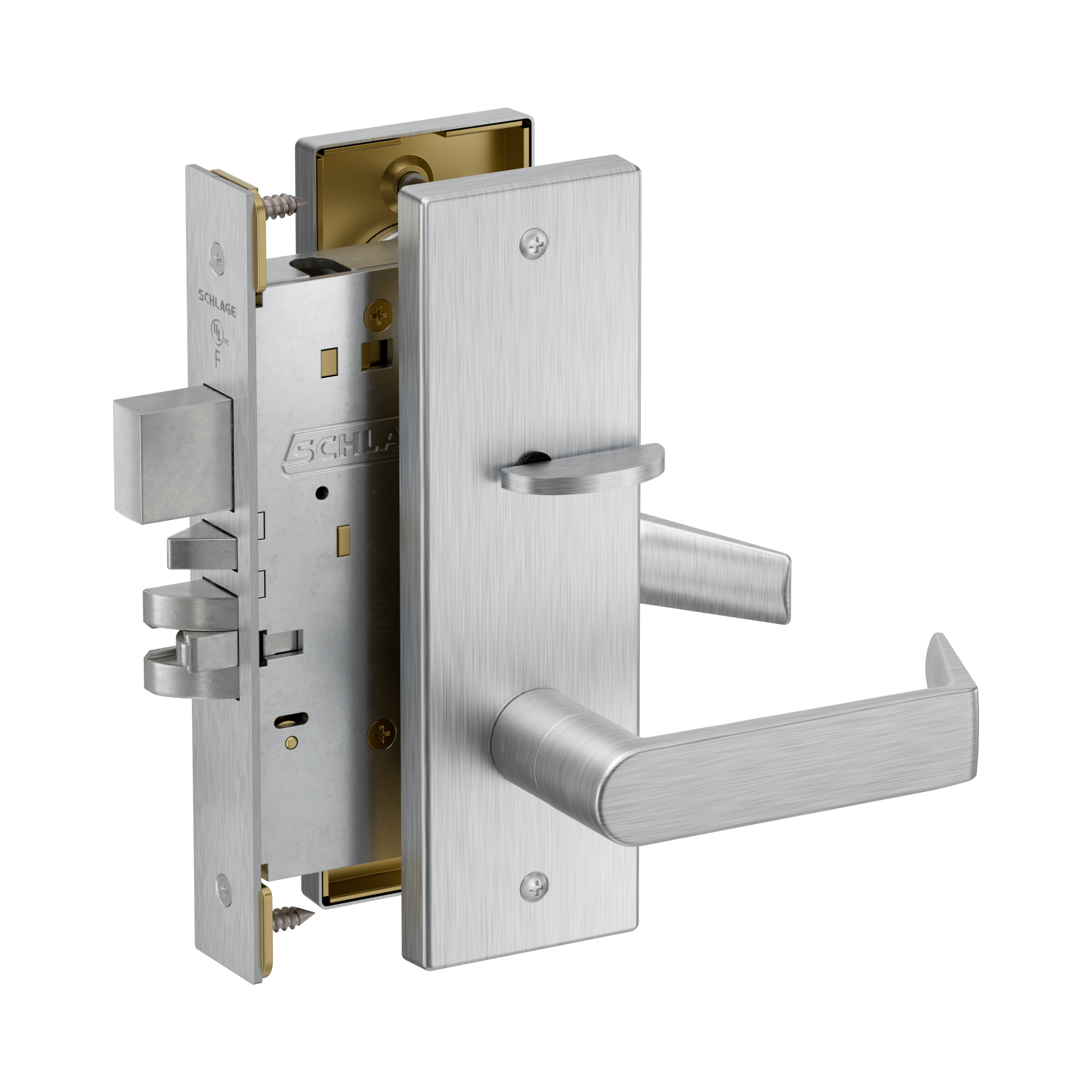
Designed for security, beauty and flexibility, L Series mortise locks feature the most comprehensive list of functional, design and trim options Schlage has to offer.
Thumb turn functions are available with either standard or oversized thumb turns (both compliant with the accessibility standards), and the L Series chassis supports 33 lever styles that comply with the ADA’s 5-pound maximum force requirement. Additional trim choices include HL push/pull levers specifically suited for hospital use.
 Von Duprin Panic Hardware
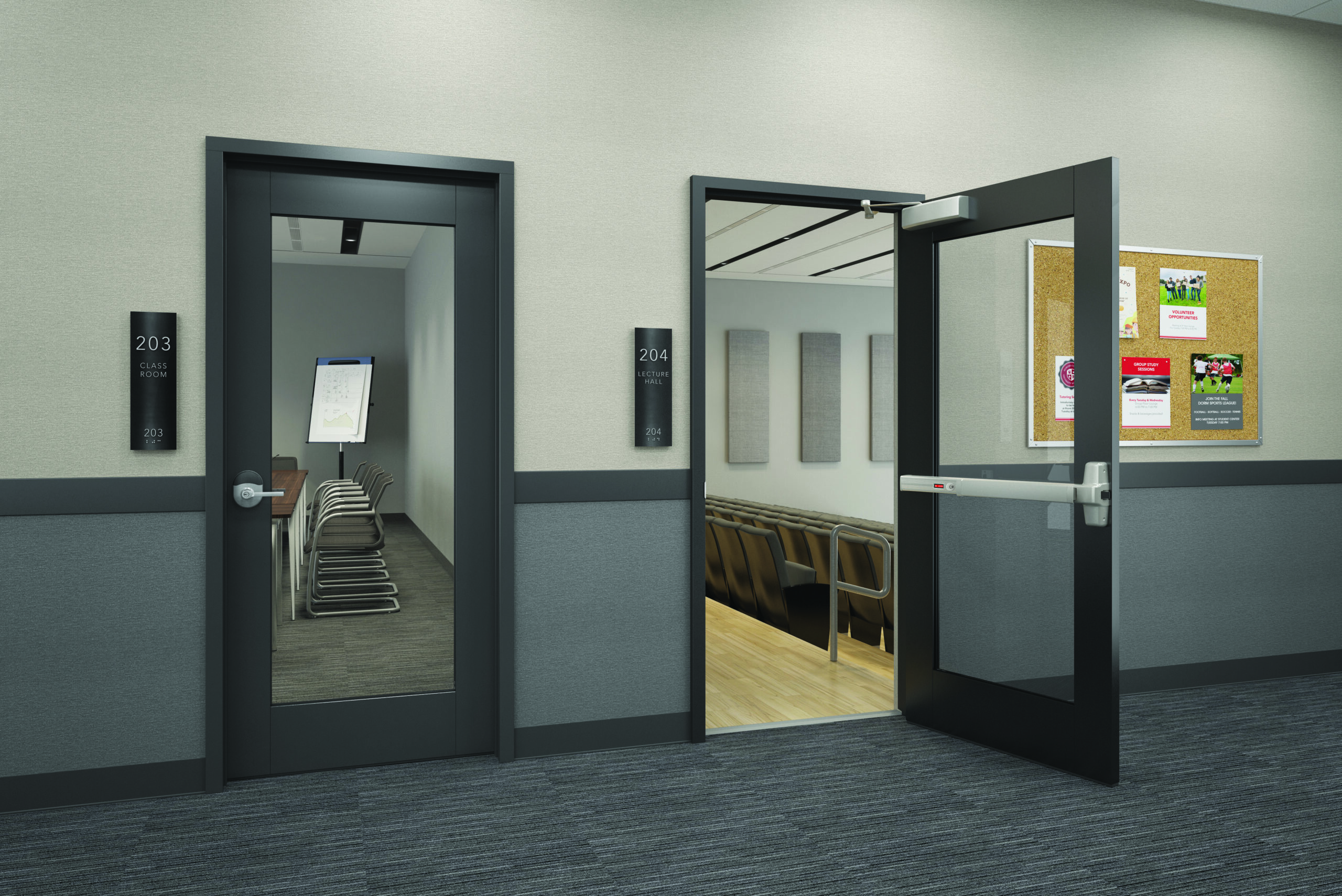
When Von Duprin invented the first self-releasing exit device over a century ago, it changed the trajectory of life safety and set the stage for future accessibility standards. Designed to allow panicked crowds to escape a building by simply leaning or pushing against a horizontal bar, the invention eliminated the need to turn a knob or operate complex latches during emergencies. Decades later, this principle—operability without tight grasping, pinching, or twisting of the wrist—shaped the foundation of the Americans with Disabilities Act (ADA) requirements for door hardware. By prioritizing intuitive, low-force, push-to-exit functionality to save lives, Von Duprin established a standard that evolved to ensure equitable, barrier-free access and egress.
 Pocket Door Pulls
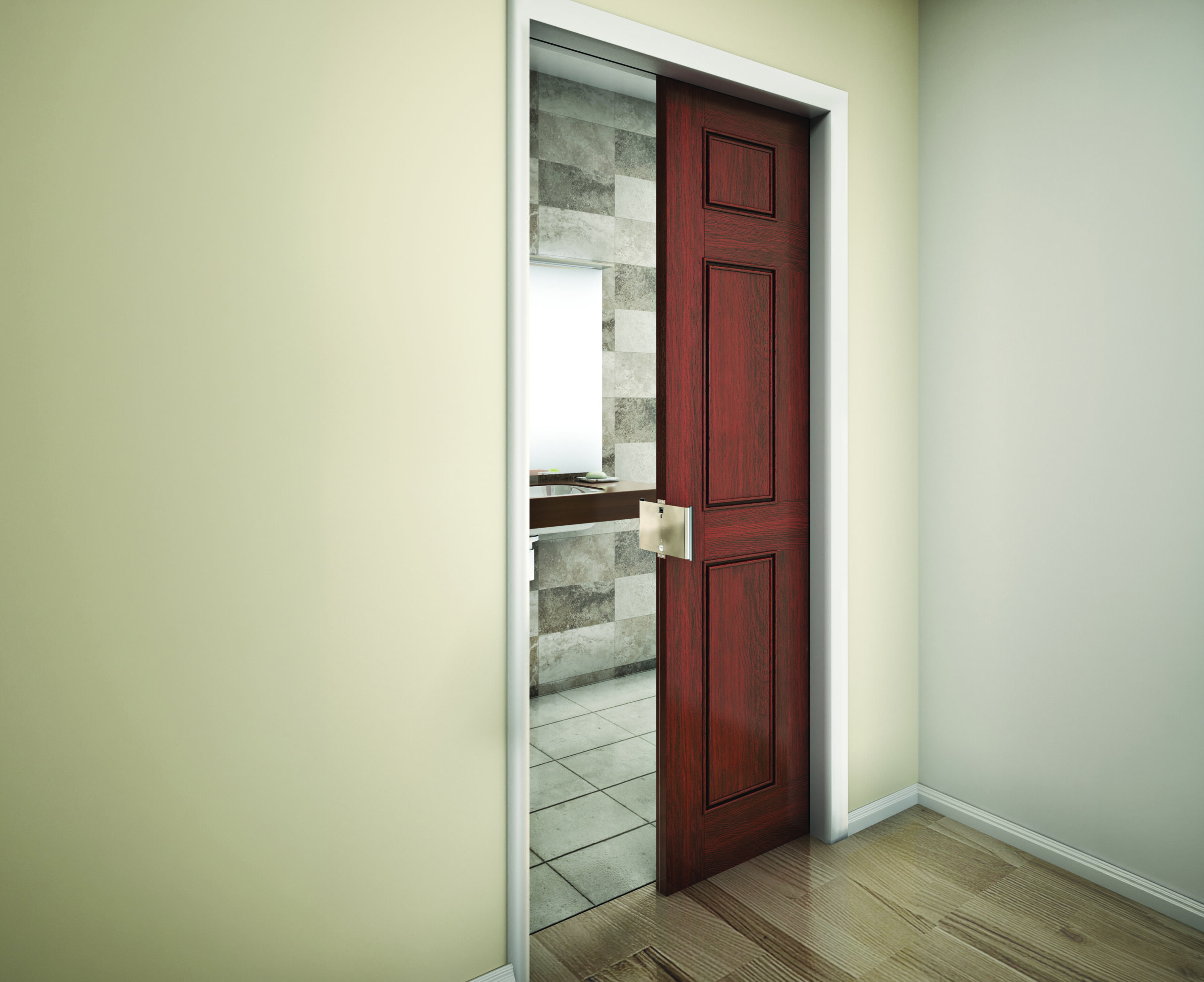
The Trimco 1069 ADA pocket door pull is an accessible hardware solution that replaces traditional pocket door pulls. Standard pocket door hardware requires fine finger dexterity, whereas the 1069 model eliminates this need, making it highly ergonomic for users with limited hand mobility. Unlike surface-mounted pulls that prevent a door from opening completely, this specialized pull allows the pocket door to fully retract into the wall, helps ensure that the doorway maintains the full ADA clearance width.
 EZ Pulls
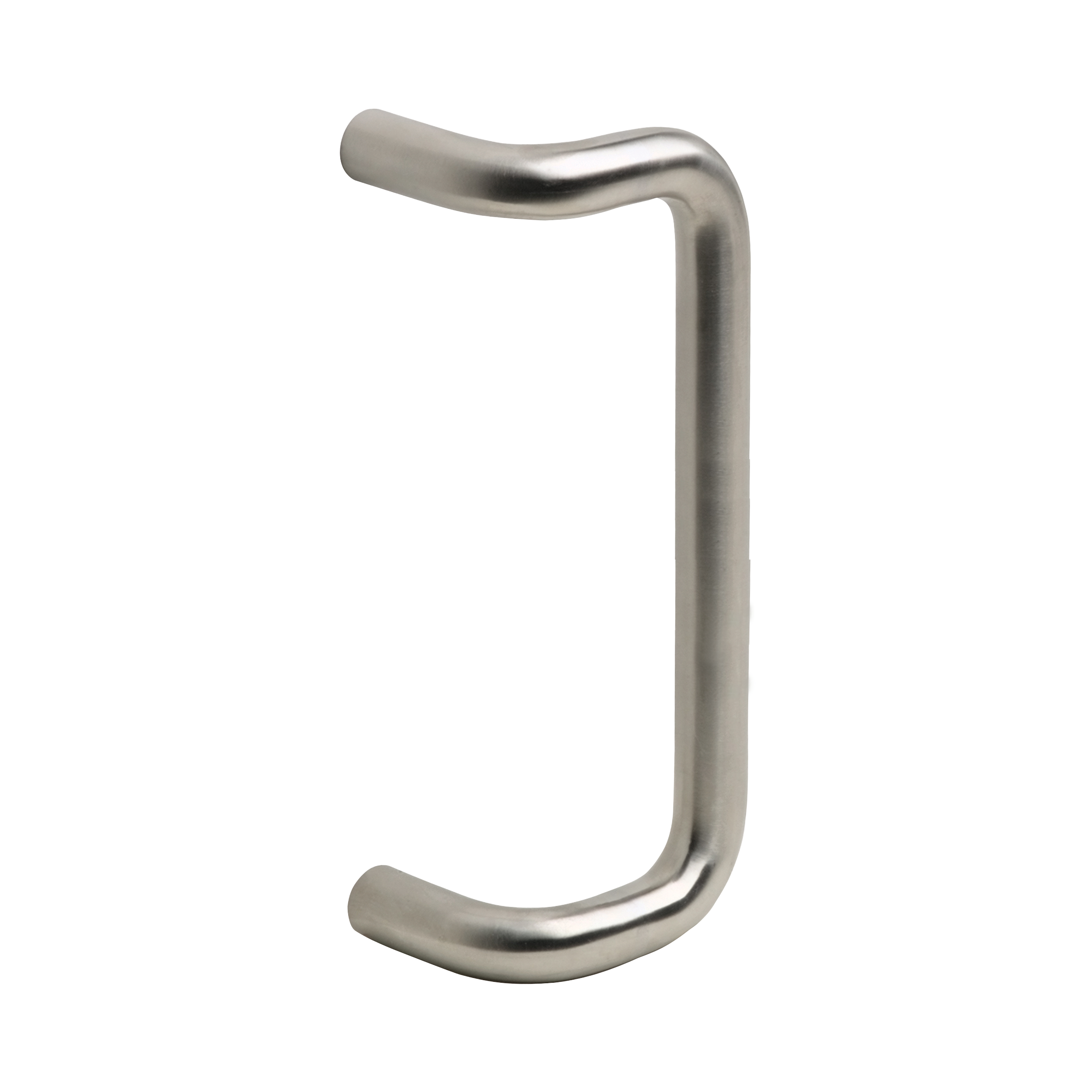
Ives EZ pulls are designed with an expanded 2-1/2-inch clearance gap between the door and the handle. This generous spacing exceeds the standard 1 ½-inch ADA minimum guideline, making it significantly easier and more ergonomic for users with physical limitations. This design strikes a perfect balance with accessibility codes: it provides ample hand room without extending more than 4 inches off the door, which would otherwise create a protruding obstacle.
 Privacy Door Latches
Ives and Trimco privacy door latches are an ADA-compliant alternative to traditional hotel room chains or sliding guards that require significant finger dexterity to pinch and slide small components. In contrast, these ADA solutions feature a simple paddle that can easily be activated by simply bumping it.
 Hands-Free Pulls
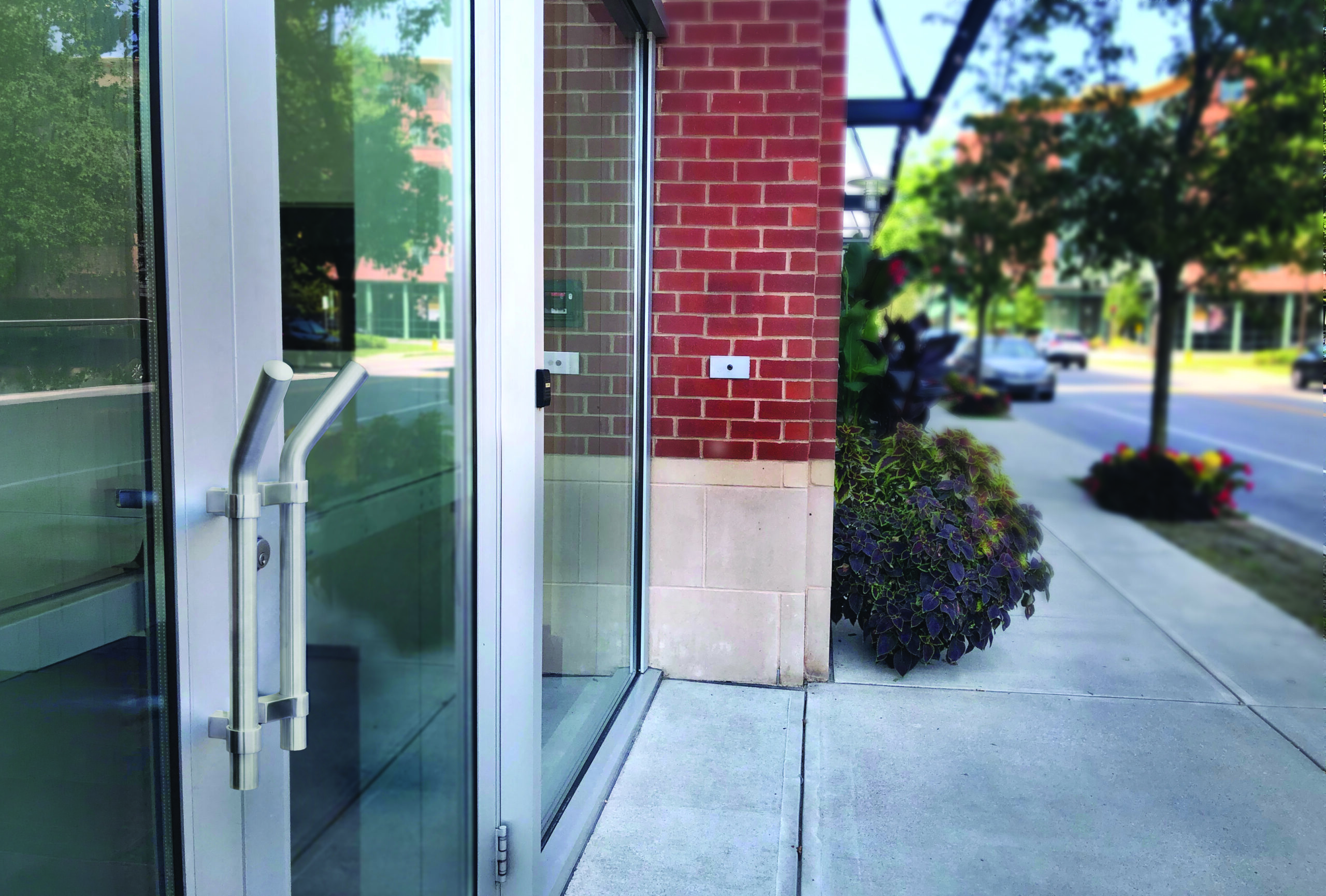
Hands-free pulls from Ives and Trimco are available in designs that include a 45-degree angled handle. This angle allows the user to open the door using their forearm rather than hands, providing an improved ergonomic experience for individuals with mobility challenges or limited dexterity. The slope of the handle makes it easy and comfortable for a user to remove their arm as well.
Conclusion
Selecting door hardware is a critical responsibility that impacts the daily lives of building occupants. By prioritizing ergonomics and understanding the intersection of industrial design, accessibility codes and innovative manufacturing solutions, architects and facility managers can ensure their buildings are welcoming to all. When we design for the most vulnerable users, we inherently create a better, more seamless experience for everyone.
You need to login or register to bookmark/favorite this content.







Leave A Comment