
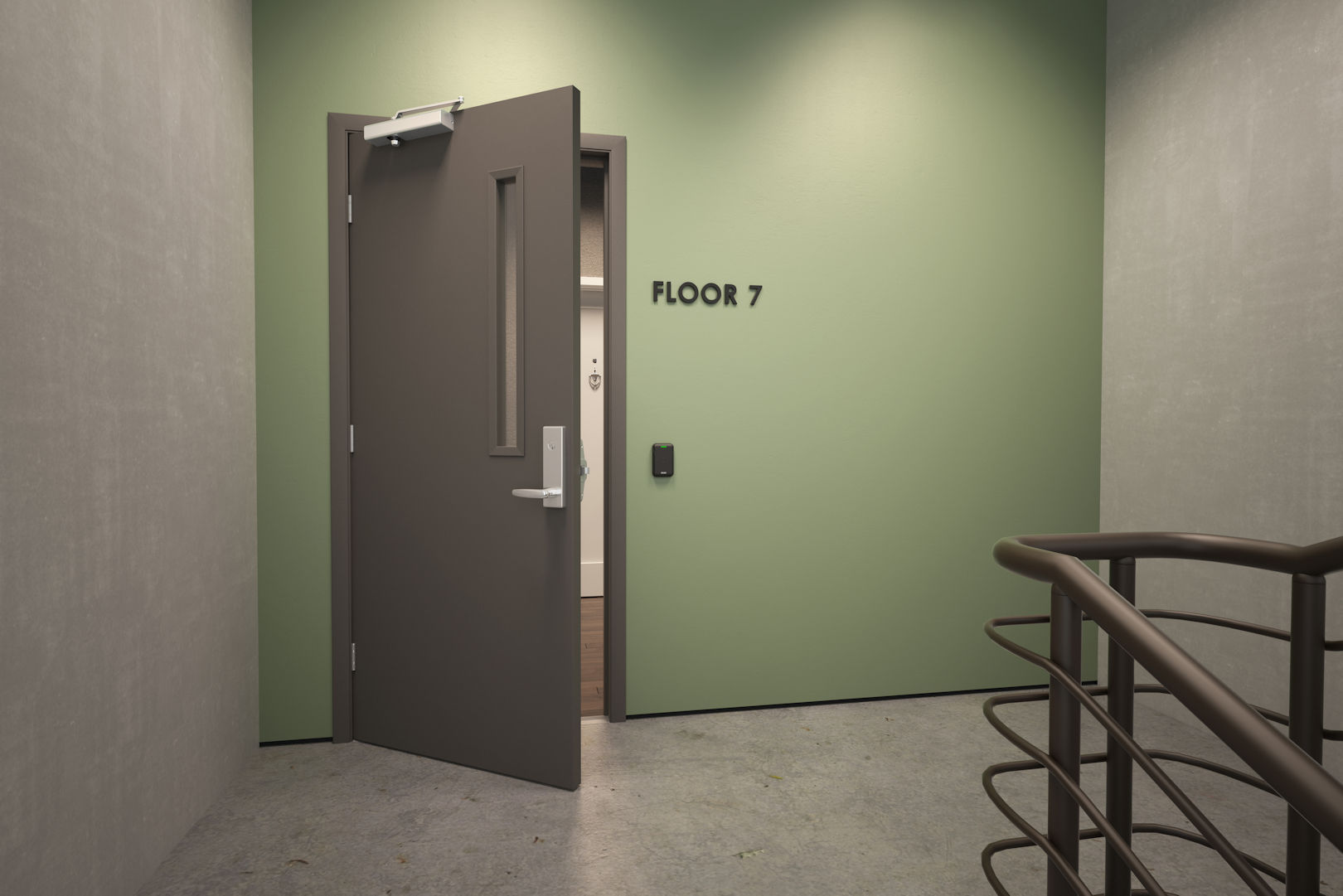
Today’s post is the fourth post exploring the inspection criteria for fire door assemblies. The fourth criterion listed in NFPA 80 for the inspection of swinging doors is:
(4) The door, frame, hinges, hardware, and noncombustible threshold are secured, aligned, and in working order with no visible signs of damage.
In today’s guest blog post, Jason Allen, product support representative for Allegion, discusses the importance of maintaining fire doors in proper working order.
Click here to read other posts in this series and learn more about fire door inspection.
~~~
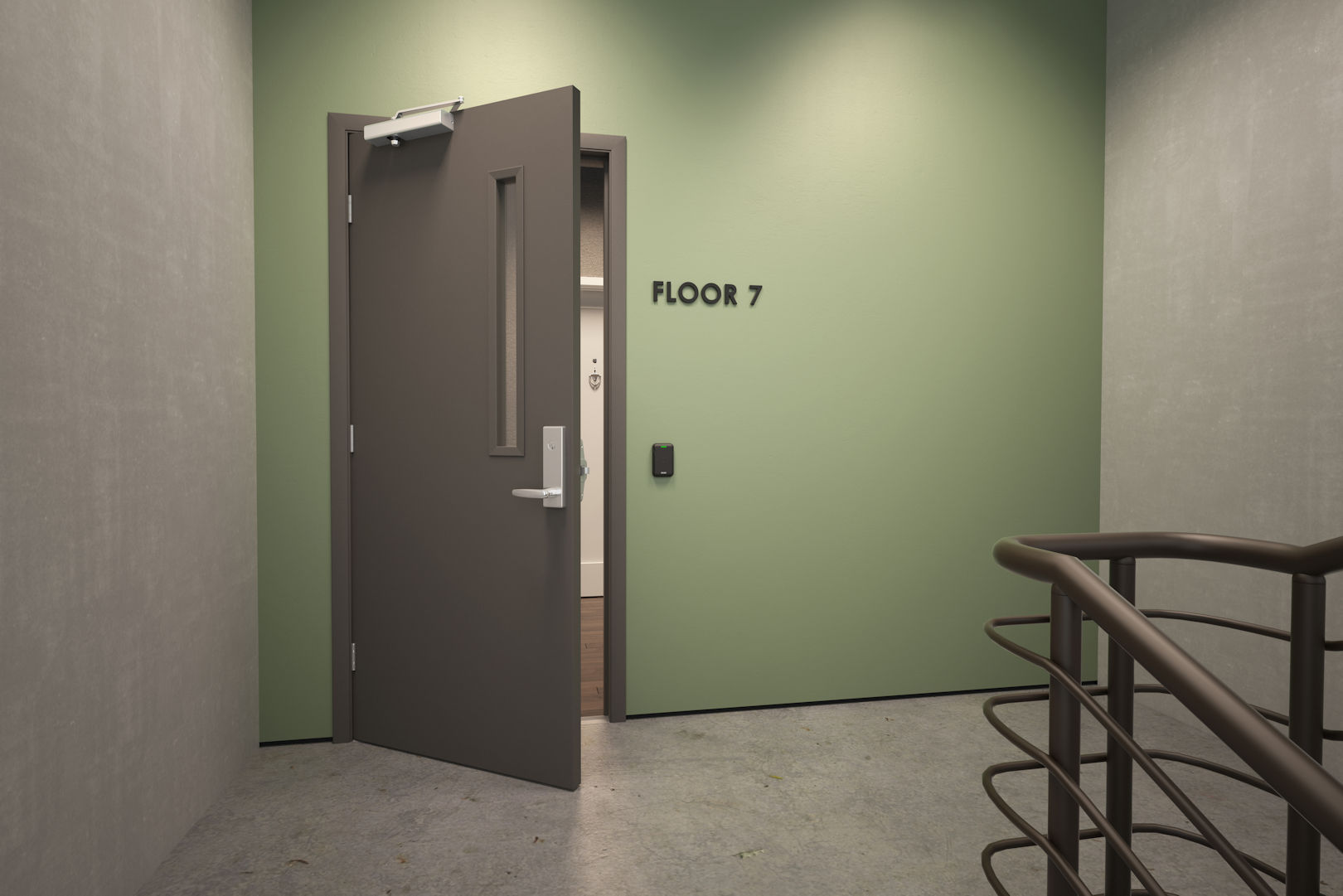 Ensuring Fire Door Safety: The Critical Role of Properly Functioning Doors, Frames, and Hardware
Fire doors are essential components of building safety, designed to contain fires and protect occupants. For these doors to perform effectively during an emergency, they must be in proper working order. But what exactly does this mean, and how can you verify it?
What Is Proper Working Order?
A fire door in proper working order is one that operates as intended—closing fully and latching without obstruction. This includes the door and its hardware, such as hinges, latches, and closers, functioning correctly and without damage or misalignment. Proper operation ensures that in case of a fire, the door will effectively contain flames and smoke, deterring their spread and helping to protect the means of egress.
How to Check for Proper Functionality
Regular inspections are vital. Start by manually testing the door: disconnect power to any hold-open devices, then release the door to see if it closes fully and latches securely. Check for debris in the closer track, sagging or dragging hinges, debris or paint build-up, or any sticking parts that prevent smooth operation. Also, verify that the door swings freely with minimal force—indicating proper hinge and frame alignment. Additionally, ensure that the door closer’s spring and force settings are correctly adjusted, and that the door doesn’t drag or bind during closure.
Common Issues and Their Causes
Many problems stem from improper installation, damage, or lack of maintenance. Common issues include:
- Sagging or dragging doors due to misaligned hinges or warped frames
- Sticky latches or latches that don’t fully engage
- Closers set with incorrect spring or force settings, preventing proper closure
- Missing or broken hardware, such as screws or spacers, which can impair operation
- Debris or obstructions in the closer track or threshold
Addressing Issues Effectively
Most operational problems can be fixed through proper adjustment or replacing damaged parts. For example, ensuring the hinges are correctly installed, adjusting the door closer, or checking the alignment of the latch and strike can restore proper function. If hardware is missing or broken, consult the parts guide for compatible replacements. Regular maintenance and timely repairs are crucial—if unsure, consult with a qualified technician or refer to available resources.
Additional Resources
Allegion offers comprehensive support tools, including detailed parts guides, installation instructions, and troubleshooting resources available on our website. The technical support team is also ready to assist with application advice, installation guidance, and parts identification—helping ensure your fire doors remain reliable and compliant. For ongoing safety, schedule routine inspections and leverage these resources to keep your fire doors in optimal condition.
Conclusion
A fire door’s ability to perform during an emergency hinges on its proper operation. Regular checks, understanding common issues, and prompt maintenance are key to ensuring safety. Remember, well-maintained fire doors are a vital line of defense in protecting lives and property.
Do you have questions about our Allegion’s product support services? Leave them in the comment box!
Click here to learn more about Allegion fire rated solutions, or visit iDigHardware.com/firedoor.
You need to login or register to bookmark/favorite this content.



Leave A Comment