
With today’s guest post from Colleen Furlong of Allegion, we are kicking off a special focus on Accessible and Inclusive Design, with a series of six articles. These articles will bring together perspectives from across Allegion, including our industrial design, compliance and product teams to provide insight on important topics such as automated openings, ergonomics, operable force and more. Stay tuned for weekly updates.
~~~
 Automated Openings that Work for Everyone
In door hardware, accessibility is an essential starting point—but it is not the finish line. Accessibility typically refers to meeting established requirements that allow people with disabilities to approach, operate and move through an opening safely and independently. Inclusivity goes further, asking whether the opening works well for the widest possible range of people, situations and abilities—not just in theory, but in everyday use.
That means considering physical, sensory and cognitive differences, varied levels of familiarity and strength, and the real-world conditions that influence how an opening is experienced. For architects, specifiers, facility managers and manufacturers, this distinction matters because openings should do more than comply; they should create safe, intuitive, dignified experiences for everyone who uses, installs and maintains them.
An inclusive approach accounts for everyone who interacts with the opening over its lifecycle, from the people who pass through it each day to the technicians responsible for installing, adjusting and maintaining it. “When these considerations are built into the design process from the beginning, the result is often a more effective and well-integrated solution that provides the premium experience for all, regardless of their abilities, rather than a more isolated add-on solution later.” says Ana Sofia Esquivel, Industrial Designer at Allegion.
This broader perspective on inclusion also reflects the reality architects and facility managers face every day: accessible design decisions do not happen in isolation. They must be made alongside critical requirements for fire and life safety, security and long-term functionality—making usability an essential factor in creating openings that work well for everyone.
Balancing Competing Priorities
When designing accessible and inclusive openings, the most common headache we see in the field is the direct contradiction between closing force and opening force. On one hand, a door must have enough spring force to positively latch and overcome issues like stack pressure from HVAC systems. On the other hand, reducing operable force is desired for accessibility.
This creates a functional paradox. If you crank up the closer spring to ensure secure latching, the door becomes a heavy, physical barrier to anyone with limited strength or dexterity. If you dial it down, the door may not latch, compromising safety.
Automating the opening with an operator is a common solution to this challenge and is now required by code in some instances. “Beginning with the 2021 edition of the International Building Code (IBC), automatic operators are required for the accessible public entrances serving certain buildings. This applies to most assembly occupancies with a building occupant load of more than 300 people, as well as business, mercantile and some residential occupancies (including hotels) with an occupant load of more than 500. For the accessible public entrances serving these buildings, at least one door or set of doors (exterior and vestibule) must have an automatic operator,” said Lori Greene, Allegion’s Manager of Codes & Resources.
The operators installed to meet this code requirement for accessible public entrances may be either power-operated doors complying with ANSI/BHMA A156.10 or low-energy power-operated doors complying with ANSI/BHMA A156.19. Power-assist operators that do not also operate as fully-automatic doors would not be acceptable; on some power-assist doors the operator reduces the opening force but the door must be opened manually.
Reliable Door Solutions for Inclusive Buildings
As codes increasingly recognize the role of automatic operators in improving accessibility, the conversation naturally shifts from what is required to how those requirements can be met effectively in practice. In real-world conditions, doors must do more than satisfy accessibility goals on paper—they must respond consistently to wind, stack pressure, flooring resistance and everyday traffic while still supporting safety and security. That is where product solutions come into focus. From technologies that adapt door motion to changing conditions to systems designed for easier installation, intuitive operation and dependable long-term performance, these innovations help translate both code requirements and the broader goals of inclusive design into measurable, real-world results.
LCN Low Energy Swing Operators
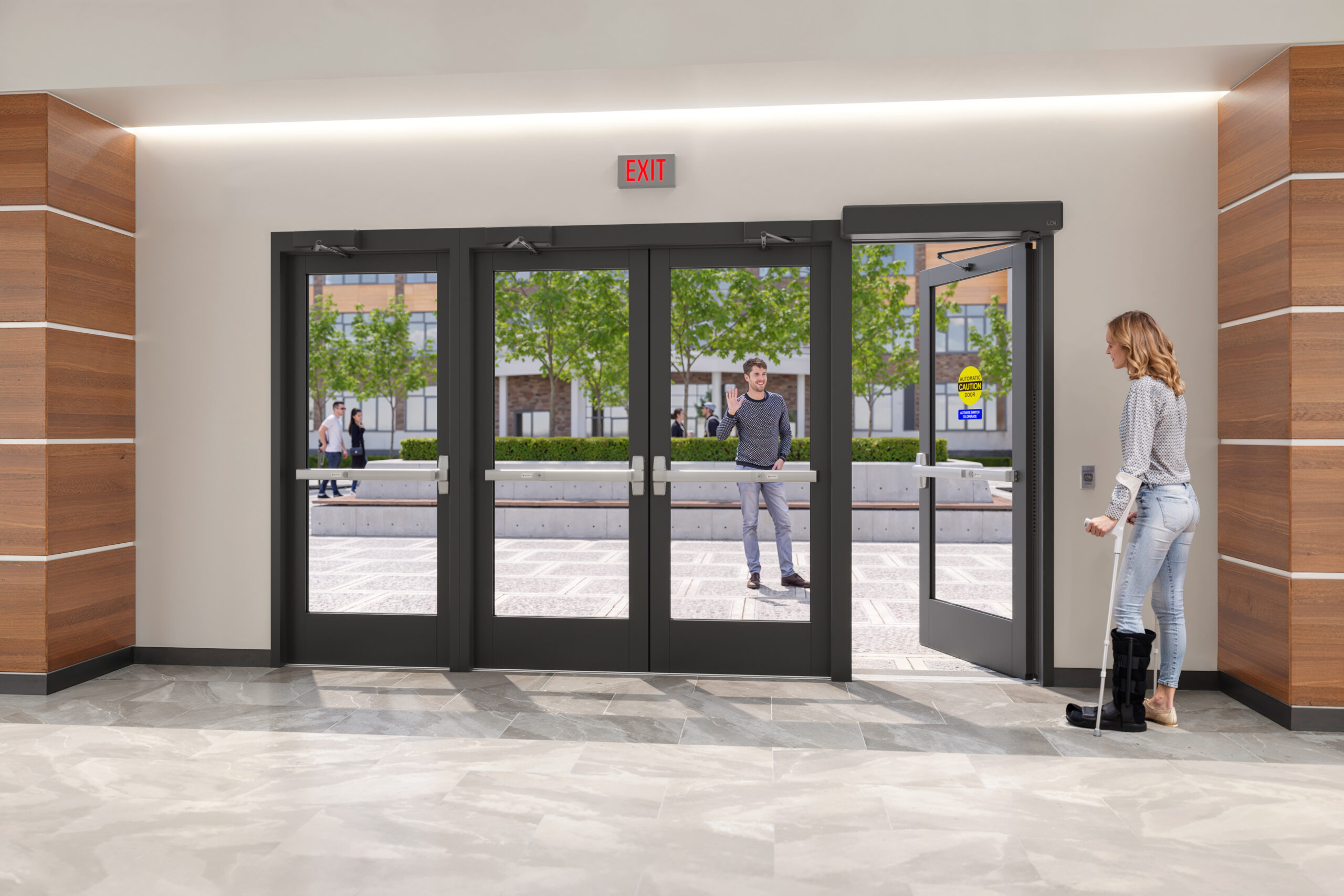 LCN Senior Swing:
The enhanced LCN Senior Swing uses award winning AdaptivIQ™ technology to deliver smooth, consistent door motion that automatically compensates for wind, carpet drag, and HVAC stack pressures. This reliable, automatic operation helps remove the physical strain and uncertainty faced by people with mobility aids or limited strength or dexterity—enabling safer, more independent and dignified passage while maintaining secure latching.
This inclusive design isn’t limited to the everyday user but includes the technicians as well. The Senior Swing controller was designed with a focus on simplifying the configuration and set-up process to meet the needs of technicians of all ability levels. “Features such as clear displays, intuitive navigation, and interaction methods that support both speed and simplicity were used to make the solution more usable for a broader range of people,” said Esquivel.
Designed for straightforward installation and dependable year-round performance, the Senior Swing minimizes downtime and maintenance burden for facilities, helping buildings meet accessibility goals with fewer disruptions and lower total cost of ownership. Couple that with the ability to pair the operator with up to four presence sensors (six for double door applications) for additional user safety, and the Senior Swing becomes a best-in-class option for any accessible opening.
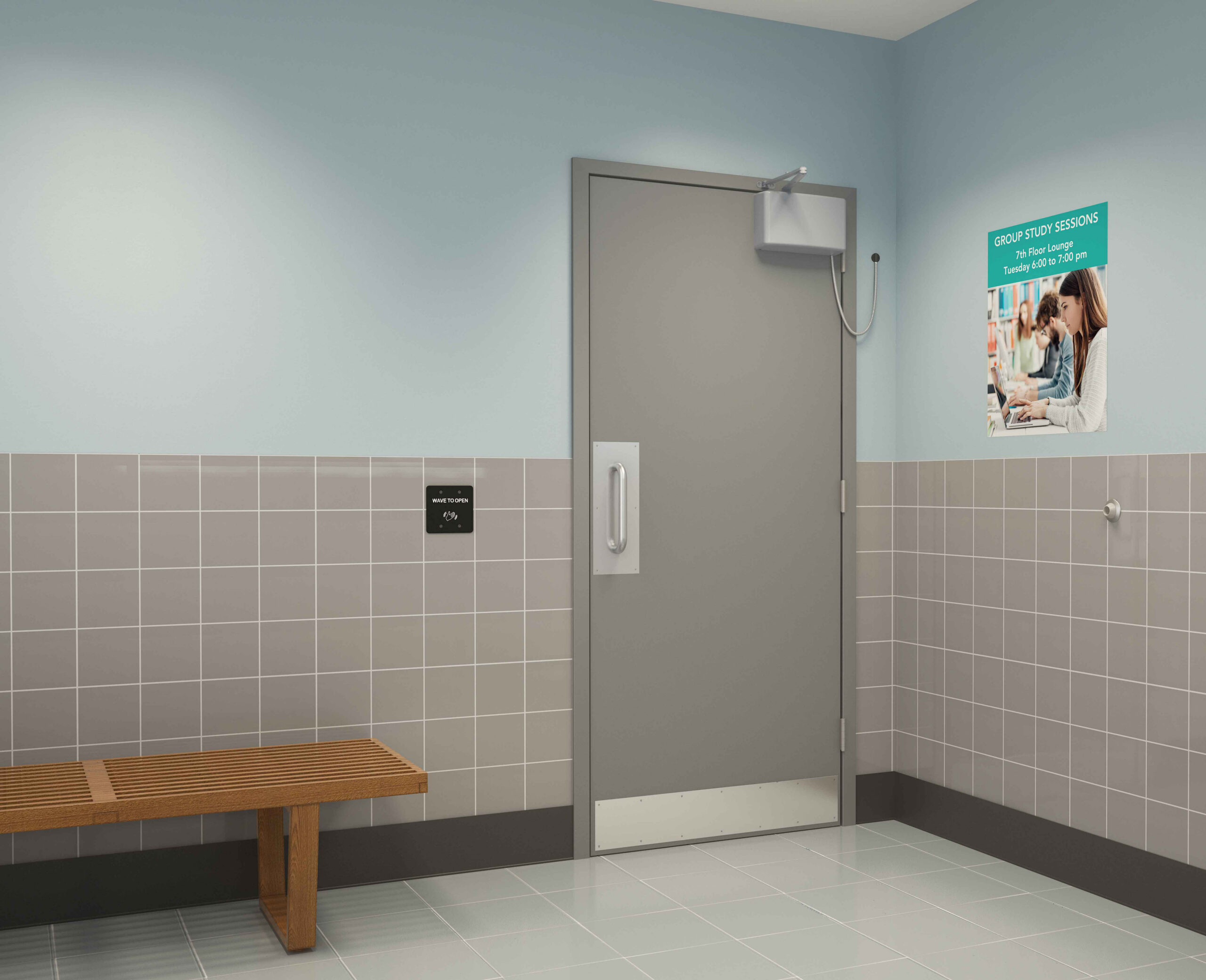 LCN COMPACT:
Where the Senior Swing is a true, best-in-class accessibility option, the LCN COMPACT is a more affordable and more compact option for low-traffic applications that don’t require the robust nature of operators like the Senior Swing.
Designed with flexibility in mind, the COMPACT can accommodate both push- and pull-side applications and be powered via a wall-plug adapter. This limits the additional electrical work required and simplifies the installation to a handful of screws and a simple plug-in.
Perfect for restrooms, private offices, ADA accommodations and more, the LCN COMPACT is a fantastic, affordable and reliable option to enhance opening inclusivity for those low-traffic applications that may not always be top-of-mind when thinking of accessibility needs.
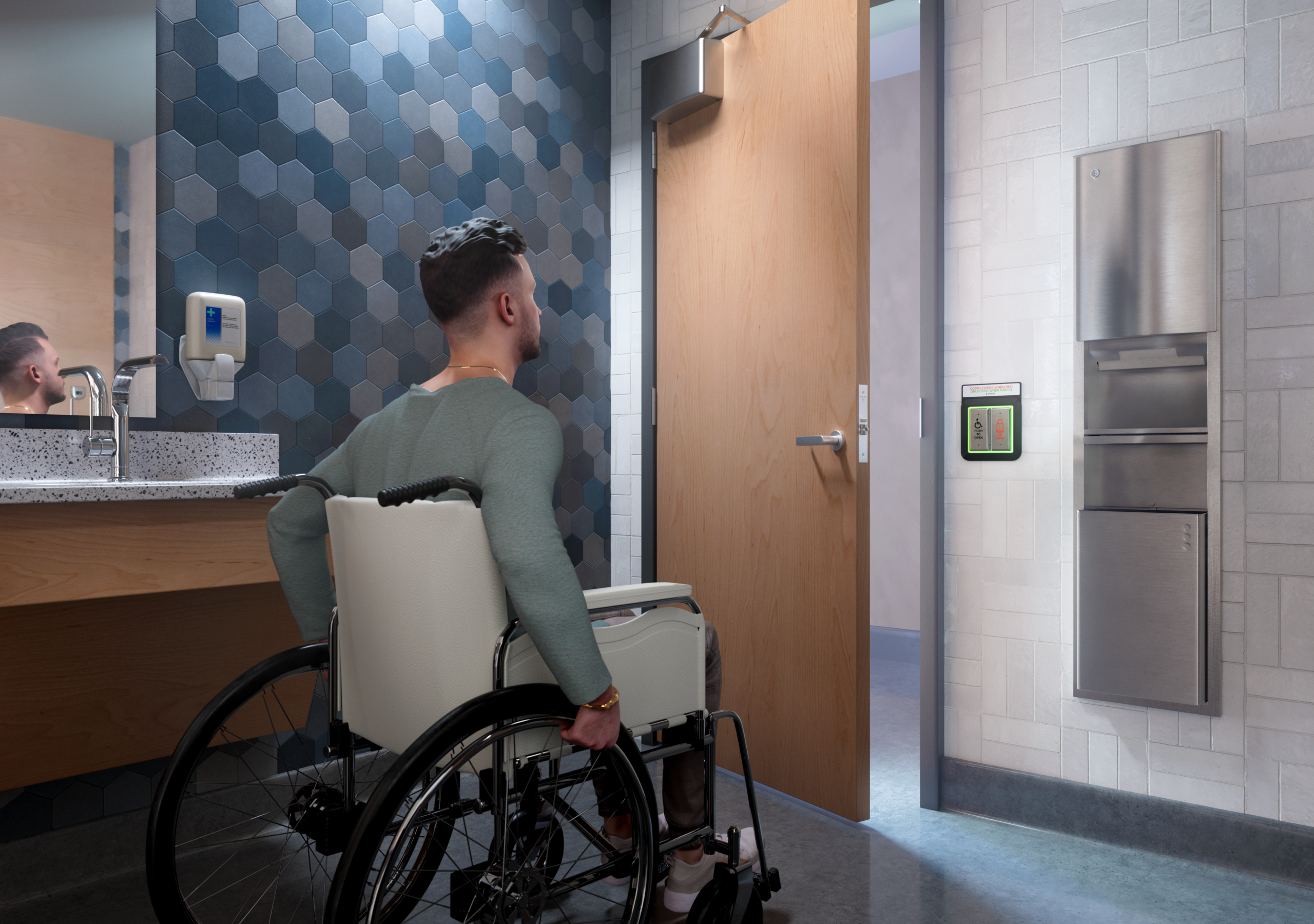 Schlage L Series Motorized Latch Retraction Locks
Award-winning latch retraction capable L Series Grade 1 locks create application opportunities across many markets whether the need is security, controlled access or hands-free operation. They can replace the need for electric strike use in a form that is more secure and aesthetically pleasing. Ultra-quiet operation makes them ideal for health care environments or anywhere repeat user exit and entry can become an annoyance.
Six functions span keyed, non-keyed and lever control options. They can be retrofitted to the same pocket as a standard L Series mortise lock. A patent pending feature detects binding conditions on the motor and adjusts to help it overcome side load, stack pressure and warped door conditions while the quiet, stepper motor produces high torque at low speeds for smooth operation.
STANLEY Access Technologies: Automatic Sliding and Versatile Swing Solutions
True accessibility is more than meeting a checklist—it’s about creating entrances that work reliably for everyone, every day. With over 90 years of experience bringing automatic doors to market, STANLEY Access Technologies focuses on long-term dependability so people can move through buildings with confidence and dignity.
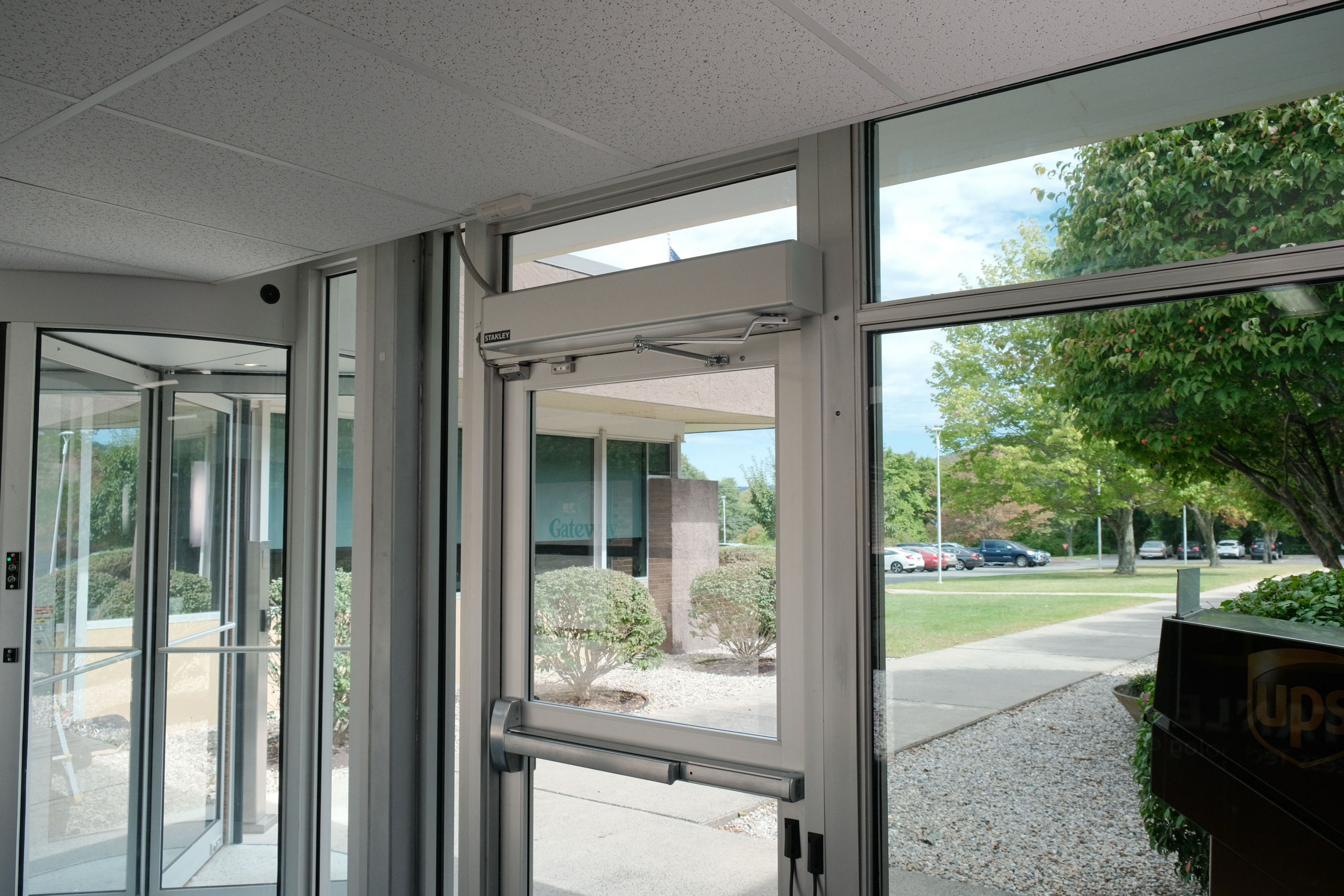 M-Force™ Swing Door Operator:
The M-Force serves as a heavy-duty, versatile solution for a wide range of applications. It can be configured as either a Power Operated Pedestrian Door (ANSI/BHMA A156.10) or Low-Energy Power Operated Door (ANSI/BHMA A156.19). From a technical perspective, the M-Force is engineered for high reliability and ease of service. This dependability is a core component of inclusive design, as a door that is out of service creates a barrier for everyone.
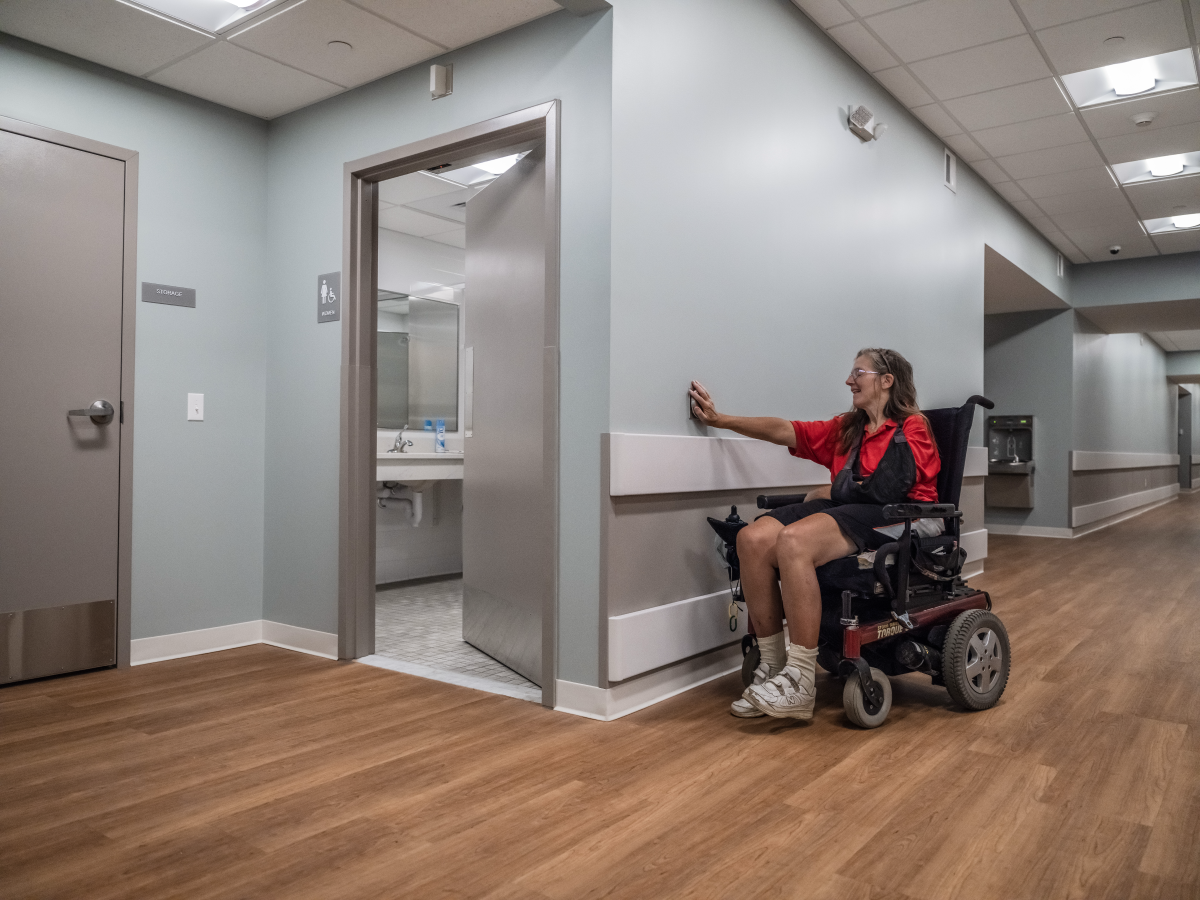 Magic-Access Swing Door Operator:
The Magic-Access low-energy operator is specifically engineered for ease of retrofit, automating manual doors with minimal structural modification. A range of mounting options enables installation in restricted spaces — such as narrow restroom entries and interior corridors — transforming them into accessible openings. Recognized for smooth, quiet operation, Magic-Access is ideal for noise-sensitive environments like patient rooms and professional offices.
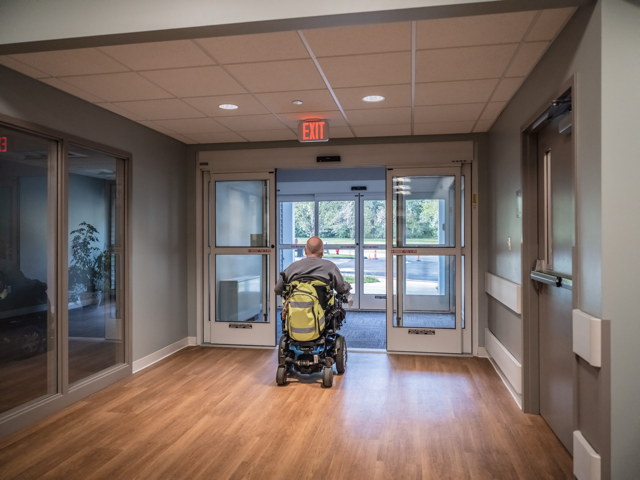 The Dura-Glide® 2000/3000 Series:
In high-traffic healthcare and commercial environments, high-energy sliding doors (designed to meet ANSI/BHMA A156.10) are often the most effective way to provide hands-free access while managing large volumes of pedestrians. The Dura-Glide® 2000/3000 series delivers a completely hands-free experience with sophisticated sensors and a robust drive system, providing a smooth, quiet, and predictable path of travel that manual or low-energy swing doors may not be able to accommodate in high-volume areas.
Opening the Door to More Inclusive Design
Ultimately, automatic operators help bridge the gap between simply meeting accessibility requirements and creating openings that are more usable for people in real-life conditions. By reducing physical effort, improving consistency and helping doors perform more reliably under changing conditions, they support more intuitive and dignified passage for a broader range of users while also helping facilities address accessibility goals, security needs and long-term performance. As expectations for the built environment continue to evolve, specifying automatic doors is not just a matter of compliance; it is a practical, forward-looking design decision that can make openings easier to use, easier to maintain, and more supportive of inclusive design for everyone.
You need to login or register to bookmark/favorite this content.
Leave A Comment