
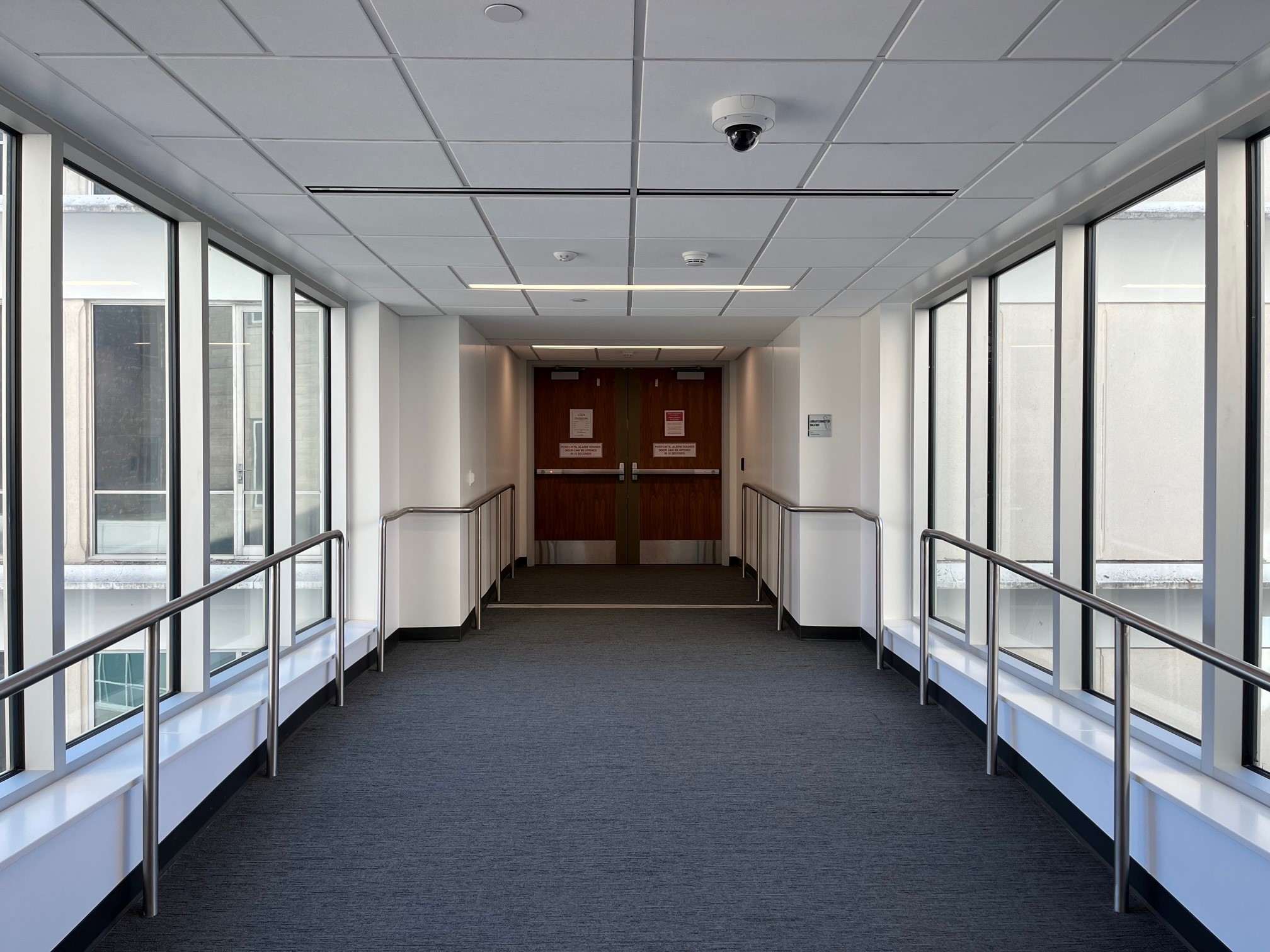
 Today’s Quick Question is one that I had not given a lot of thought to:
When a delayed egress lock has a nuisance delay and then goes into alarm, is the total time to release the lock 15 seconds?
On a door with a delayed egress lock (like a Von Duprin Chexit), the electrified hardware prevents egress for 15 seconds, or 30 seconds when approved by the Authority Having Jurisdiction (AHJ). There are sections in the model codes addressing the requirements for delayed egress locking systems, to ensure a balance of life safety and security. This Decoded article looks at the model code requirements for delayed egress locks in detail.
The timer on a delayed egress lock begins when someone attempts to exit, but current model codes allow up to 3 seconds of applied force to start the timer and the required audible alarm. Most products include an option for a nuisance delay of 1, 2, or 3 seconds, typically with an audible signal. If someone attempts to exit without realizing that the delayed egress lock is armed, they will hear a short audible alarm that stops when they remove the force from the hardware, and the delay timer will not activate.
If the 3-second nuisance delay is selected for example, the first 3 seconds of the 15-second delay will be a period when the device is waiting to go into alarm and the cycle could be interrupted by removing force from the door or hardware. If pressure is applied for 3 seconds, the device will go into alarm and the timer will begin. The total delay time permitted by the model codes is 15 seconds – 3 seconds for the nuisance-delay period and an additional 12 seconds. If there is a fire alarm or sprinkler system activation, or a power failure, there must be no delay and the door will allow immediate free egress.
Any additional questions?
You need to login or register to bookmark/favorite this content.







Leave A Comment