
There’s (almost) nothing I love more than casually checking out fire door assemblies with someone from a fire test lab, and I recently had a chance to do just that! 😀
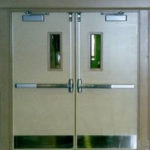
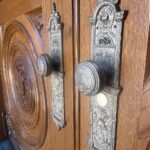
These two pairs of fire doors open from an elevator lobby to an assembly space. We noticed something interesting…can you see it?

How about now? Can you spot the difference between the two pairs?
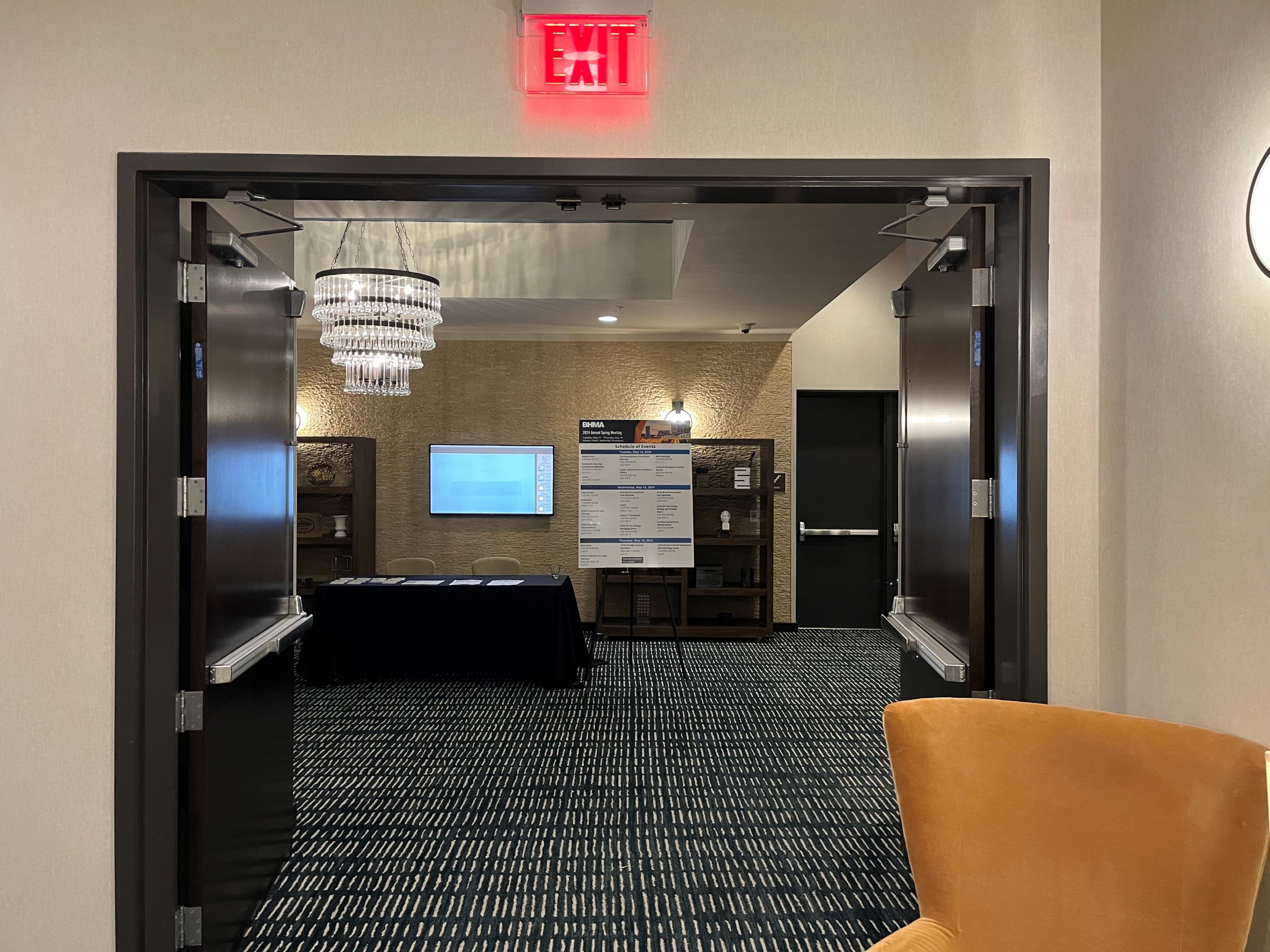
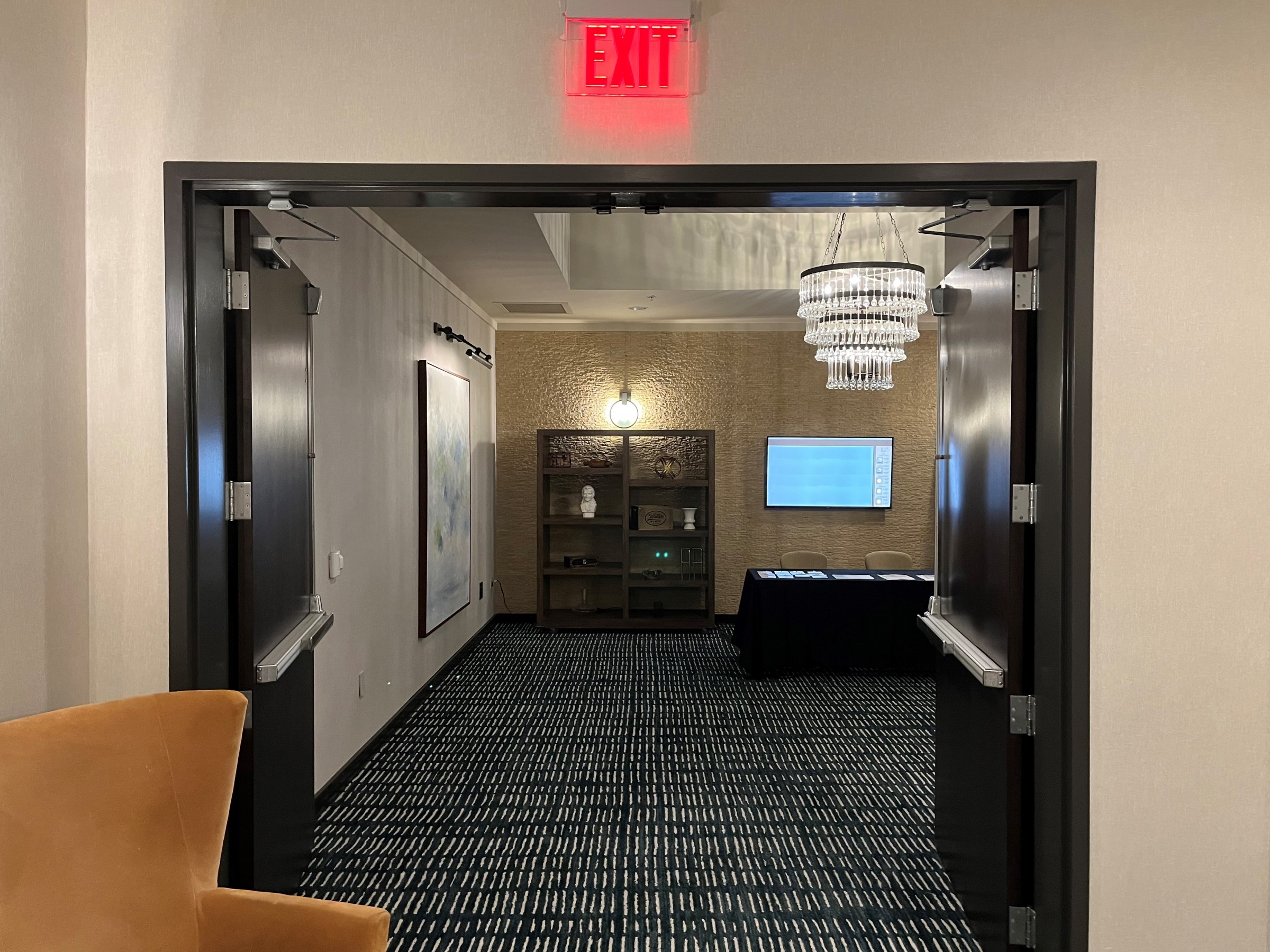
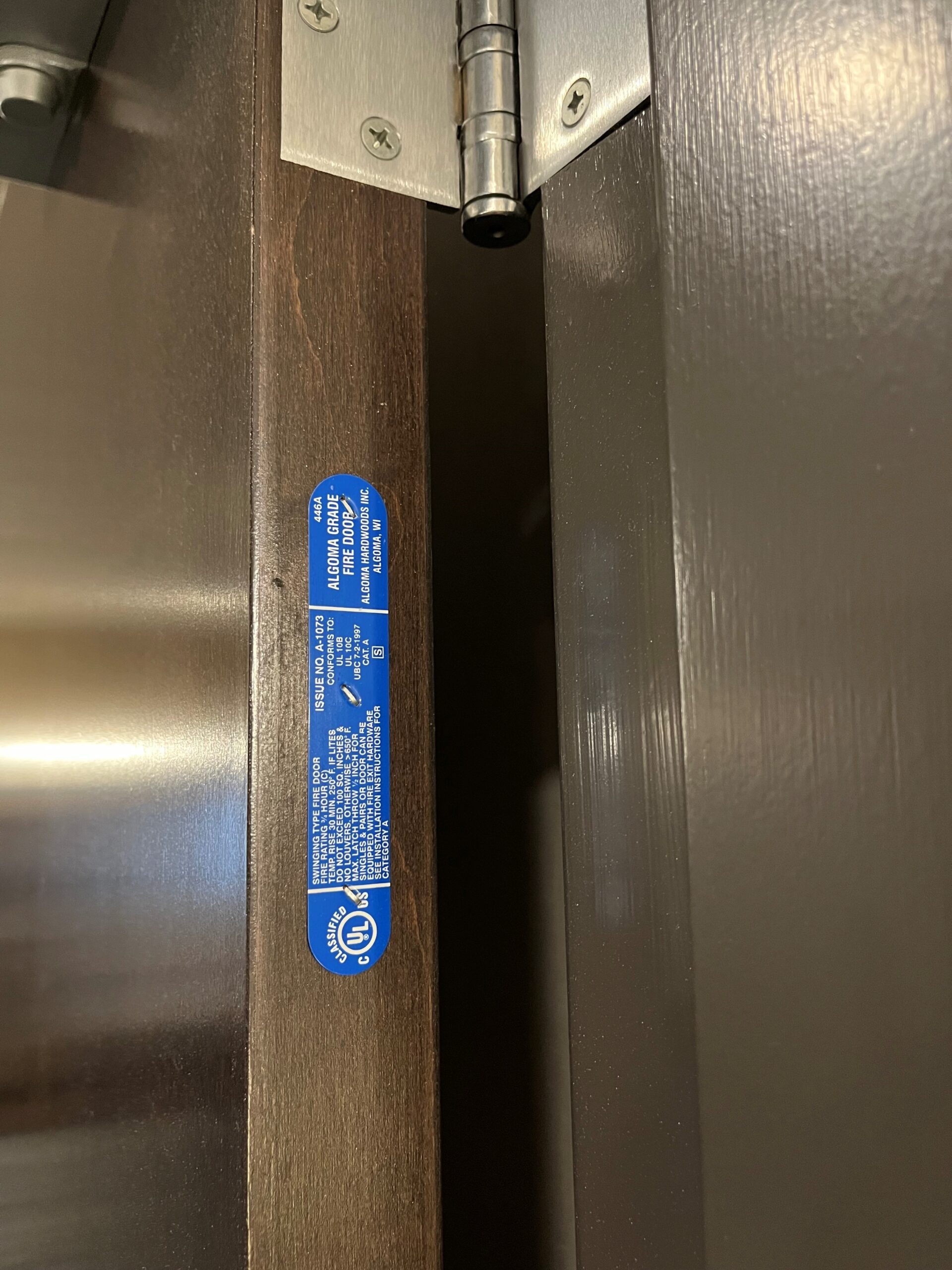
The pair on the right has fire door labels, but someone has removed the labels from the pair on the left. Why? Where are those labels now?

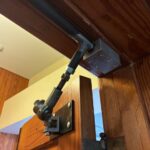
And finally, here’s the Fixed-it Friday fix…I’m pretty sure this strike shim not approved for fire exit hardware:
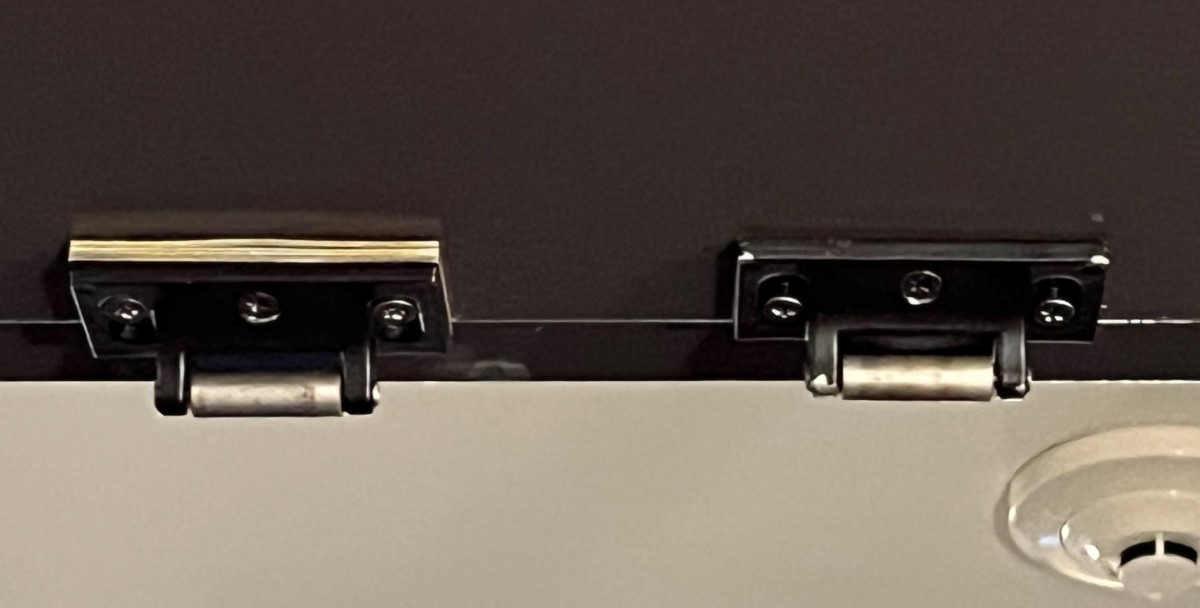
P.S. I know some of you will noticed that the fire exit hardware has been installed “less bottom rod” (LBR) and the strikes are not the correct type. The auxiliary fire pins are also missing.
You need to login or register to bookmark/favorite this content.
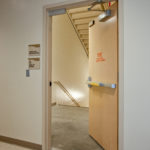
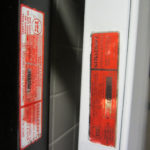



Would the AHJ know enough to catch this? Is it usual for a fire inspector to catch at least the missing labels?
That’s a good question, Jim. It really depends on in the inspector and if they are even looking for labels.
– Lori
Another Question, would be, are the Panic Devices Fire Rated, as they look like the basic Surface Mounted Devices, as the Standard Roller Strikes only come with non-fire rated devices……, then we get to the installation is not the same as why did they need to shim the LH Strike down so much….
LBR is ok on fire doors. as long as you install the Auxiliary fire bolt 6″ up from bottom of door.
Von Duprin 9927EO-F-LBR Fire-Rated Surface Vertical Rod Exit Device (Less Bottom Rod).
I would say the door are being held open with a mag holder/release.
Is that a cardboard Shim on the RHR header strike?
The SVRxLBR Exits are not dogable that a good sign it’s a fire exit device.
The 1980s–1990s: Smoke Containment and “Lobbies”
The 1980 MGM Grand Fire: A tragic fire in Las Vegas highlighted that elevator shafts and unsealed stairwells were acting as deadly chimneys, pulling toxic smoke into the upper hotel tower. This led to a massive overhaul of fire codes, emphasizing the critical need for pressurized elevator shafts and protected lobbies
https://www.youtube.com/watch?v=Knkd95OW9z0
Thanks for sharing your insight, Charlie!
– Lori
Hi Lori
This MGM Grand Fire had 300 rooftop rescues with helicopters.
Makes me wonder about free egress from a fire stairwell onto a unoccupied rooftop?
I do see signage in stairwells “No Roof Access” or “Roof Access”
I have had customer ask me for a mechanical lock to keep the riff raff from going onto the roof.
Now I’m thinking Power Supply x Fail Safe Lock tied to the fire alarm system is the only way for a (High-Rise) or any roof access from a fire stairwell???
AI Says
In almost all jurisdictions, it is illegal to lock an Occupied roof door from the inside, which would trap people on the roof.
For Unoccupied roofs, you can lock the door from the stairwell side, but it typically must still allow free egress to re-enter the building from the roof.
Now I’m more confused.
Hi Charlie –
Helicopter rescues during fires are very rare, and the model codes do not require a building to facilitate that type of situation. I’ll share a link to an article with more info below, but in a nutshell – if it’s an occupiable roof like a roof-top restaurant, there is a new-ish (2021) IBC requirement that addresses the locking of the doors that lead back into the building. The code requires a specific type of lock, signage, a telephone on the exterior, a vision light or sidelight, etc. If the roof just has mechanical equipment (non-occupiable except for occasionally technicians), the IBC permits the door to be lockable on either/both sides. NFPA permits the door to be lockable on the outside if it is locked on the stair side. Let me know if you have questions, and here is that article: https://idighardware.com/2025/08/decoded-update-on-roof-doors/. Note that there could be local requirements that are different, but I have not seen an example of a local code requiring electrified hardware for lockable roof doors.
– Lori