
Today’s guest post from Carly Griffin of Allegion addresses some questions about Schlage XE360 Series with RealSync…you can learn even more in the November 19th webinar!
~~~
 Designing for the Door You Have and the Building You Want
When I talk with people who design and specify doors and hardware, one challenge comes up again and again: access control decisions are rarely just about the lock. They affect the design intent, the construction budget, the building’s infrastructure, and the way a property will be operated for years to come. That’s why I think it’s time to move beyond the polarizing question, “Should this building use wired or wireless access control?” A better question is: What does this opening need to do, and what’s the best way to accommodate for it? A high-traffic exterior entrance has different demands than an interior office, storage room, or resident amenity space. Hardwired access control remains a strong choice for openings like that – that need heavy-duty performance and continuous power. But wiring these openings adds cost, coordination, and sometimes disruption – especially in renovations or places where the building’s construction makes cable routing difficult. For many interior and moderate-use openings, wireless connectivity can make it practical to extend electronic access control deeper into a building. And with innovations like persistent Wi-Fi connectivity, wireless no longer means waiting for the next scheduled audit update to know what’s happening at the door.
A design decision that crosses divisions
Access control often sits at the intersection of several disciplines. Door and hardware specifications fall within Division 08, but connected locks that operate at the edge also bring IT and security considerations into the conversation – often involving Divisions 27 and 28. Bringing those teams together early can help avoid surprises later. Where and how will the network support the locks? Which openings need real-time communication? Which can work with periodic updates? What are the owner’s priorities for credentials, monitoring, maintenance, and future upgrades? Answering those questions during planning can help teams preserve design intent and avoid costly infrastructure changes. In some applications, using wireless locks with the building’s existing Wi-Fi can reduce the need for access-control panels, hubs, and cable pulls. It may also help make electronic access control feasible at openings that would otherwise remain mechanical.
Connectivity should match the opening
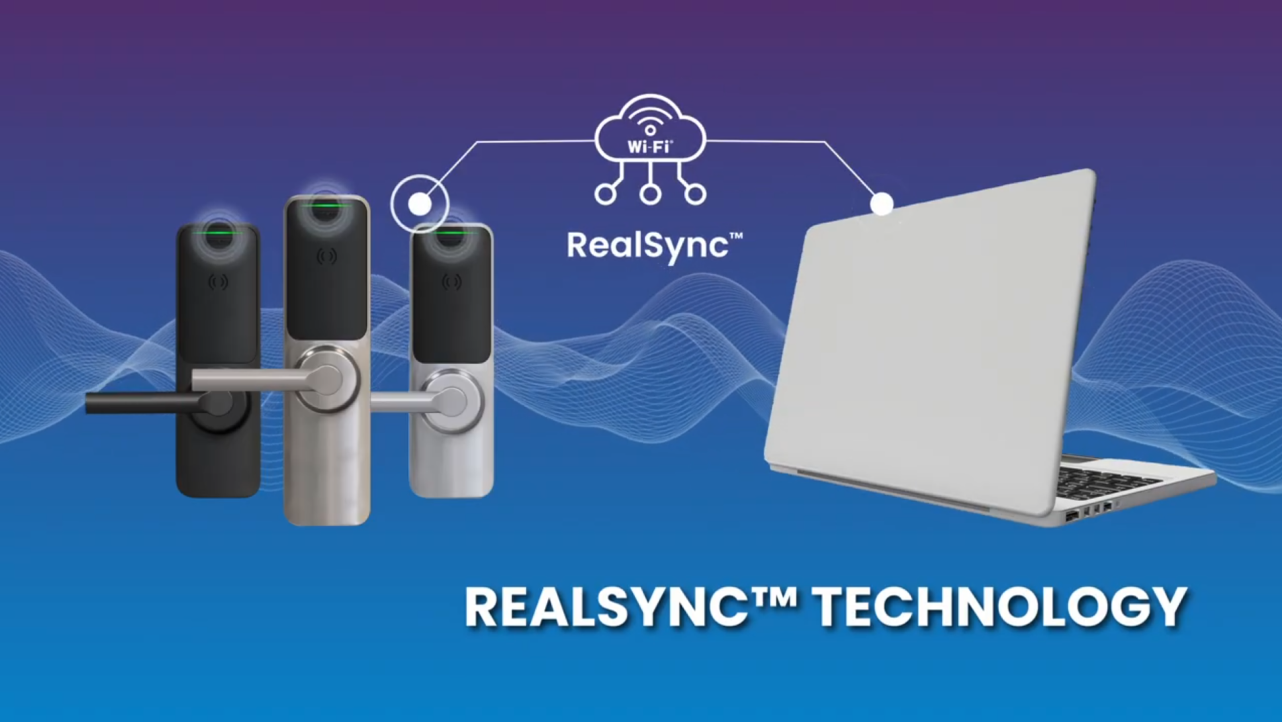
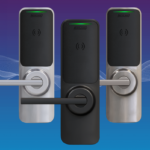
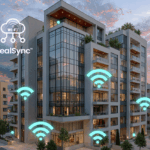
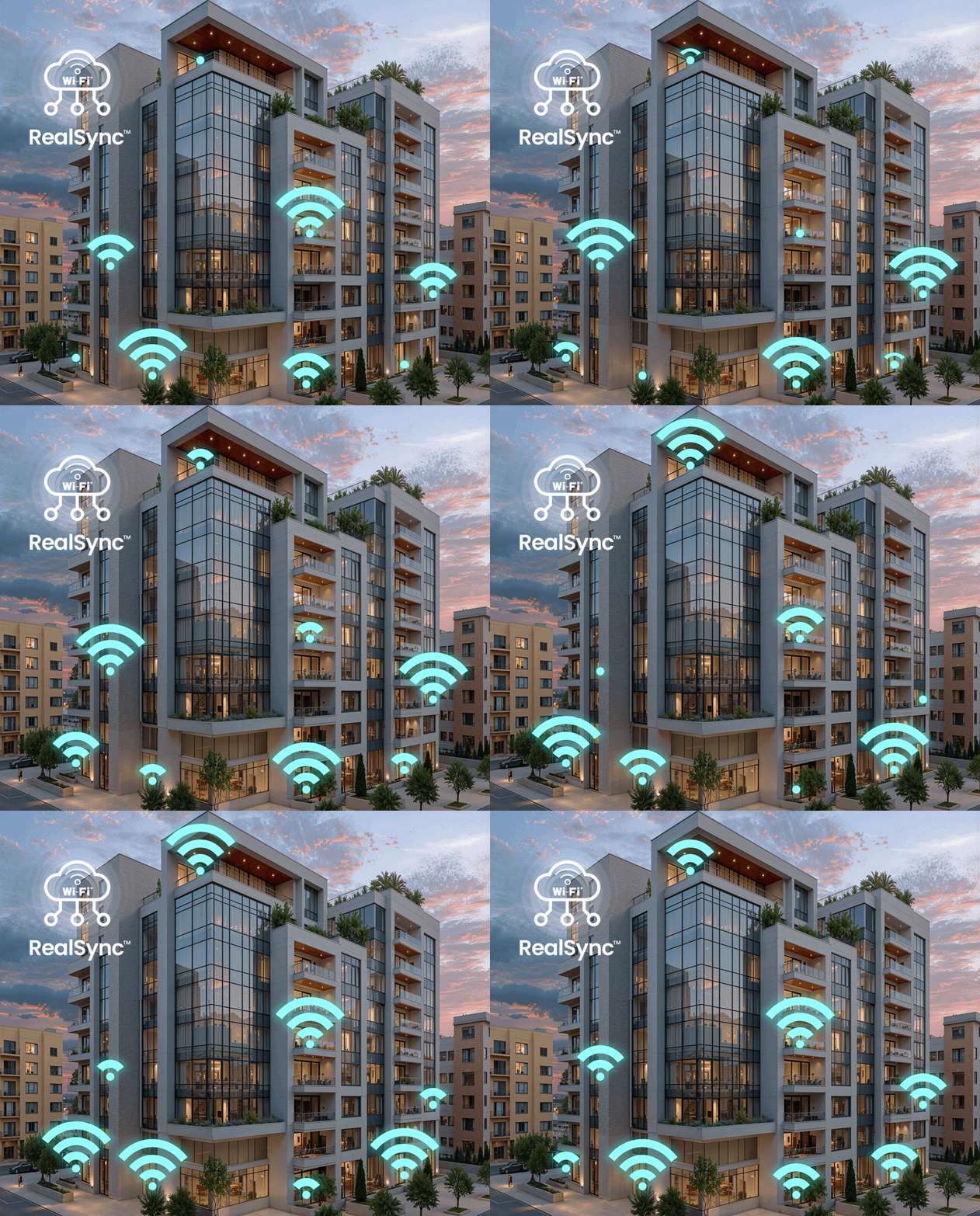 There isn’t one right connectivity model for every door. A thoughtful system may combine hardwired access control for high-traffic or mission-critical openings with wireless locks where the installation and operating requirements make them a better fit. The Schlage XE360™ Series with RealSync™ was developed for openings where teams want wireless installation but also value persistent, real-time communication. RealSync uses a building’s existing Wi-Fi network, without requiring additional hubs or complex wiring. That gives teams the ability to request audit information, receive security alerts, and manage credentials remotely, at any time.
Battery life is understandably part of the specification conversation whenever a lock is wireless. The XE360 Series is designed to deliver up to a year of battery life while staying persistently connected, if installed and configured according to suggested guidelines. Notifications such as low-battery alerts can also help teams plan maintenance instead of responding only after a problem occurs.
Plan for what comes next
One of the things I find especially valuable about the XE360 Series is its FleX Module™. Buildings and technology change, but lock hardware, if built well, outlives the usable life of the technology it was created with. Building owners shouldn’t have to replace an entire lockset just because their connectivity needs change. The interchangeable module can be used to upgrade communication, memory, and encryption capabilities so there is no fear of “Will this device’s access control system be relevant for as long as the lock itself is going to last?”
That flexibility can support a phased approach. For example, a management team might begin with XE360 locks using its offline mode, for openings such as a temporary workspace where access is limited to a controlled group of people, with changes being made infrequently. But as the space becomes busier, perhaps different contractors, vendors, or staff need access from week to week, the administrator may need to grant or revoke credentials right away. If someone’s assignment ends, a credential is lost, or the space needs to be secured quickly, offline connectivity may no longer suit the way the opening is being used. Persistent Wi-Fi connectivity like RealSync can make a real difference in those situations. Of course, the selected Physical Access Control System (PACS) must support the specific connectivity mode being used, so compatibility is important to confirm during specification and planning.
The XE360 Series is available in mortise, tubular, and exit trim configurations, with popular finishes and levers to match, helping teams maintain a consistent look across different types of openings. It’s intended for moderate-use applications; high-traffic exterior openings may call for traditional wired solutions. Matching the hardware to the opening is just as important as choosing the connectivity.
Recognition and what it represents
I’m proud that the Schlage XE360 Series with RealSync was awarded New Product of the Year honors from Security Today. To me, that recognition reflects an important shift in how we think about access control: not as a one-size-fits-all hardware decision, but as a way to bring useful security and operational visibility to deeper into a building.
For specifiers and design teams, the opportunity is to bring the right people into the conversation early, evaluate each opening around its own needs, and consider how the system can (and should) adapt over time. When we do that, we can better balance aesthetics, installation constraints, security, and lifecycle value, while giving building owners more flexibility in how they manage their spaces. The best access-control design isn’t about choosing wired or wireless everywhere. It’s about making a considered choice for each door and designing for the building’s needs today without closing off options for tomorrow.
You need to login or register to bookmark/favorite this content.




Leave A Comment